Unlocking Joy in Design: Why Anouk Is the Perfect Quirky Display Font for Creative Projects
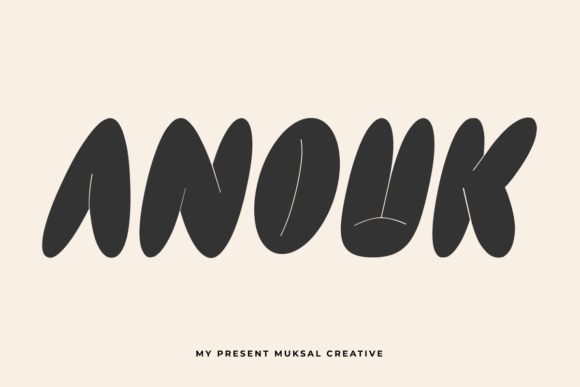
In the vast universe of typography, finding a font that perfectly balances personality with readability can feel like searching for a needle in a haystack. Designers often struggle to inject warmth and character into their projects without sacrificing professionalism or clarity. This is where Anouk enters the scene. Described as a cute and quirky display font, Anouk is not just a typeface; it is a design tool capable of adding an incredibly joyful touch to your visual communications. Whether you are a seasoned graphic designer or a small business owner managing your own branding, understanding how to leverage a distinctive font like Anouk can transform your creative ideas from ordinary to outstanding.
Understanding the Power of Display Typography
Before diving into the specifics of Anouk, it is essential to understand what makes a "display font" unique. Unlike body text fonts, which are designed for long-form reading and maximum legibility at small sizes, display fonts are crafted to grab attention. They are typically used for headlines, logos, posters, and short bursts of text where the goal is to evoke an immediate emotional response.
Display typography is the voice of your design. It sets the tone before the viewer even reads the words. A serif font might whisper tradition and reliability, while a sleek sans-serif might shout modernity and efficiency. Anouk, with its quirky and cute aesthetics, speaks a language of friendliness, approachability, and fun. In a digital landscape often dominated by sterile, minimalist designs, a font with character helps your work stand out and remain memorable.
The Psychology of "Cute" and "Quirky" Design
Why do we respond so positively to cute and quirky elements? Psychologically, humans are wired to respond to softness, irregularity, and playfulness. These traits reduce cognitive load and create a sense of safety and comfort. When you use a font like Anouk, you are tapping into this psychological trigger. You are telling your audience, "This brand is approachable. This product is fun. This experience will be enjoyable."
This is particularly relevant in modern marketing, where consumers are increasingly drawn to brands that feel authentic and human rather than corporate and distant. By integrating a joyful typeface into your design strategy, you build an emotional bridge with your audience, fostering trust and engagement through visual warmth.
Practical Applications for Anouk Font
The versatility of Anouk lies in its ability to elevate various types of creative projects. Because it is a display font, it shines brightest when given space to breathe. Here are several practical scenarios where Anouk can make a significant impact:
- Branding and Logos: For businesses in the lifestyle, children’s products, pet care, or artisanal food sectors, Anouk can serve as the cornerstone of a logo. Its unique letterforms create a distinct brand identity that is instantly recognizable.
- Social Media Graphics: In the scroll-heavy environment of Instagram and Pinterest, stopping power is crucial. Using Anouk for quote cards, announcement headers, or promotional banners can increase engagement rates by catching the eye with its playful structure.
- Packaging Design: Product packaging is a silent salesman. A quirky font on a label for handmade cookies, organic skincare, or craft beer can convey the artisanal and heartfelt nature of the product, distinguishing it from mass-produced competitors.
- Event Invitations: Whether it is a birthday party, a baby shower, or a casual wedding, Anouk adds a celebratory and personal touch to invitations, setting the expectation for a joyful event.
Integrating Anouk into Your Workflow
Adding this beautiful display font to each of your creative ideas requires a strategic approach. It is not enough to simply swap out a standard font for Anouk; you must consider hierarchy and contrast. Since Anouk is highly decorative, it should rarely be used for body text. Instead, pair it with a clean, neutral sans-serif or a simple serif font for the supporting information. This contrast ensures that the quirky nature of Anouk remains the focal point without overwhelming the reader.
For example, if you are designing a poster for a local bakery, use Anouk for the headline "Freshly Baked Joy" in a large size. Then, use a simple, easy-to-read font for the details regarding opening hours and location. This combination allows Anouk to do what it does best: attract attention and convey emotion, while the secondary font handles the informational heavy lifting.
Common Misconceptions About Quirky Fonts
There is a lingering assumption in the design world that quirky or cute fonts lack professionalism. This is a misunderstanding that limits creative potential. Professionalism is not defined by stiffness; it is defined by appropriateness and execution. A law firm might indeed require a serious, traditional typeface. However, a creative agency, a toy store, or a community blog benefits immensely from a font that reflects its vibrant culture.
Another common mistake is overusing display fonts. Because Anouk is so visually interesting, there is a temptation to use it everywhere. Resist this urge. Typography is about balance. If everything is loud, nothing stands out. Use Anouk sparingly to highlight key messages, ensuring that its impact remains potent and fresh.
The Role of Typography in Modern Digital Storytelling
In today’s digital-first world, typography is a critical component of user experience (UX) and user interface (UI) design. Websites and apps are no longer just functional tools; they are narrative spaces. The fonts you choose contribute to the story you are telling. Anouk fits seamlessly into modern web design trends that favor bold, expressive typography over generic system fonts.
When used in web headers, Anouk can guide the user’s journey, making navigation feel less like a chore and more like an exploration. It adds a layer of personality to digital interfaces, making brands feel more relatable. For educators and content creators, using such engaging fonts in presentation slides or educational materials can help maintain student interest and improve information retention by breaking the monotony of standard text.
Technical Considerations for Best Results
To ensure Anouk looks its best, pay attention to kerning and leading. Display fonts often have unique spacing requirements. Adjusting the space between letters (kerning) can prevent awkward gaps or collisions, ensuring the word shapes look cohesive. Similarly, giving the font ample line height (leading) when used in multi-line headlines prevents the design from feeling cramped. Always test your designs across different devices and screen sizes to ensure the quirks of the font render clearly and remain legible.
Conclusion: Elevate Your Creativity with Anouk
Typography is one of the most powerful tools in a designer’s arsenal. It has the ability to influence mood, drive action, and define identity. Anouk, with its cute and quirky charm, offers a refreshing alternative to the ubiquitous fonts that saturate the market. By adding this beautiful display font to your creative toolkit, you invite joy into your designs. You create opportunities for your work to connect with audiences on a deeper, more emotional level.
Whether you are crafting a brand identity, designing a social media campaign, or creating personal art, notice how Anouk makes your ideas stand out. It is not just about choosing a font; it is about choosing a voice. Let Anouk speak for your creativity, bringing a touch of whimsy and warmth to every project you touch. Embrace the quirky, celebrate the cute, and watch your designs come to life with unparalleled joy.