Huncy: Evaluating a Quirky Display Font for Creative Projects
Typography plays a pivotal role in visual communication, acting as the voice of a design before a single word is read. Among the vast array of typefaces available to designers, Huncy has emerged as a distinctive option for those seeking a specific aesthetic. Defined as a cute and quirky display font, Huncy is designed to inject an incredibly joyful touch into various creative compositions. For designers, marketers, and content creators evaluating typeface options, understanding the specific characteristics, ideal use cases, and limitations of Huncy is essential for making informed decisions that align with project goals.
Understanding the Aesthetic of Huncy
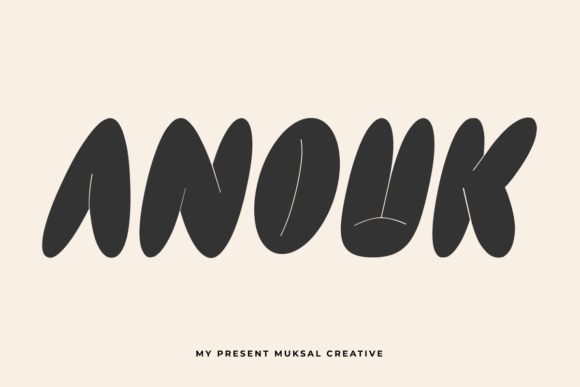
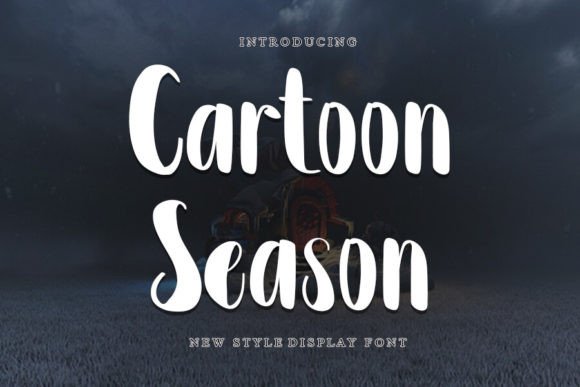
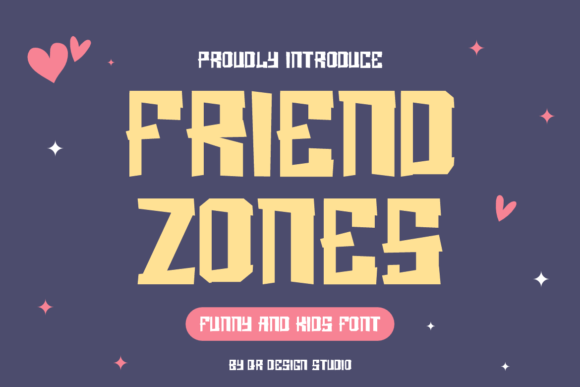
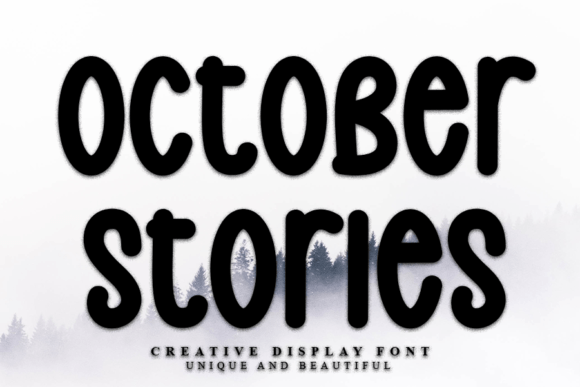
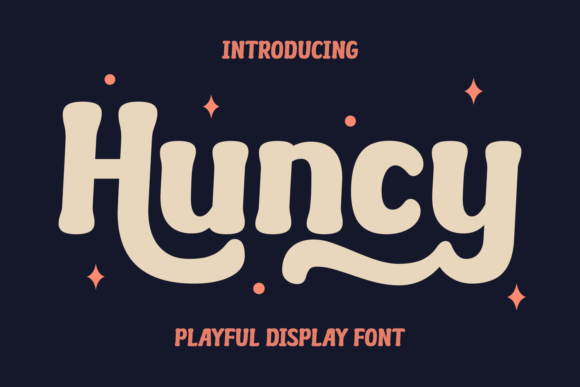
Huncy belongs to the category of display fonts, which are typefaces designed for use at large sizes for headings, titles, or short bursts of text rather than long paragraphs. The primary characteristic of Huncy is its playful nature. It features irregular shapes, rounded terminals, and a hand-drawn quality that deviates from the rigid structure of traditional sans-serif or serif fonts. This "quirky" attribute is not merely a stylistic flourish; it serves a functional purpose by breaking visual monotony and capturing attention.
The font’s design philosophy centers on approachability and warmth. Unlike corporate or minimalist typefaces that prioritize neutrality and efficiency, Huncy prioritizes personality. When added to creative ideas, it acts as a visual accent that can make a design stand out in crowded digital or print environments. The joyfulness associated with the font stems from its organic feel, which mimics human handwriting while maintaining enough consistency to remain legible as a structured typeface.
Strategic Benefits and Visual Impact
When considering Huncy for a project, it is important to evaluate the tangible benefits it offers to the overall design strategy. The most significant advantage is its ability to establish an immediate emotional connection with the audience. In marketing and branding, emotion drives engagement. A typeface that conveys happiness and whimsy can lower psychological barriers for viewers, making them more receptive to the message.
- Enhanced Memorability: Unique typography helps brands and projects distinguish themselves. Huncy’s distinct letterforms create a visual hook that aids in recall.
- Tone Setting: The font instantly communicates a casual, friendly, and non-threatening tone, which is crucial for brands aiming to appear accessible.
- Visual Hierarchy: As a display font, Huncy naturally draws the eye. Using it for headlines ensures that key messages are noticed first.
Furthermore, Huncy adds a layer of authenticity to designs. In an era where digital perfection is common, the slight imperfections and quirky details of Huncy can make a project feel more human and crafted. This is particularly valuable for small businesses, artisans, and creators who want to emphasize their personal touch.
Ideal Use Cases for Huncy
Determining whether Huncy is the right choice depends largely on the context of the project. There are specific scenarios where this font shines and delivers maximum impact. Understanding these situations helps designers allocate resources effectively.
Children’s Products and Education
One of the strongest fits for Huncy is in the realm of children’s media. Whether it is packaging for toys, educational apps, or classroom materials, the font’s cute aesthetic resonates well with younger audiences. It feels safe, fun, and inviting, which aligns perfectly with the objectives of juvenile product design.
Lifestyle and Food Branding
Brands in the lifestyle sector, such as bakeries, cafes, ice cream shops, or craft stores, often benefit from the warm invitation that Huncy provides. The font complements imagery of handmade goods, fresh ingredients, and cozy environments. It suggests that the brand values enjoyment and comfort over industrial efficiency.
Social Media Graphics
In the fast-paced environment of social media, stopping the scroll is critical. Huncy’s bold and quirky nature makes it effective for Instagram stories, Pinterest pins, and YouTube thumbnails. Its readability at large sizes ensures that short, punchy captions are easily consumed on mobile devices.
Limitations and Considerations
While Huncy offers significant advantages in specific contexts, it is not a universal solution. A balanced evaluation requires acknowledging its tradeoffs and limitations. Misusing a display font can lead to poor user experience and diminished credibility.
Readability Constraints: Huncy is not designed for body text. The quirky letterforms that make it charming in headlines can become fatiguing and difficult to parse in long paragraphs. Using it for extensive reading material will likely frustrate users and reduce comprehension. It should be reserved for titles, subtitles, logos, and short call-to-action buttons.
Tone Mismatch: The joyful and casual nature of Huncy may clash with serious or formal subjects. For industries such as finance, law, healthcare, or high-end luxury goods, the font may appear unprofessional or immature. In these contexts, the whimsical attributes of Huncy could undermine the authority and trustworthiness of the brand.
Pairing Challenges: Because Huncy is so distinctive, pairing it with other fonts requires careful consideration. Combining it with another decorative or handwritten font can create visual chaos. To maintain balance, it is best paired with clean, neutral sans-serif or serif fonts that provide a stable foundation for the quirky headlines.
Comparative Decision-Making
When selecting a typeface, designers often compare multiple options. If the goal is to convey professionalism, stability, or modern minimalism, alternatives such as Helvetica, Roboto, or Garamond may be more appropriate. These fonts offer versatility and neutrality that Huncy lacks. However, if the objective is to evoke emotion, playfulness, and creativity, Huncy offers a specialized value proposition that standard fonts cannot match.
It is also worth considering the longevity of the design trend. Quirky, hand-drawn fonts are popular in contemporary design, but trends evolve. While Huncy is currently effective for capturing attention, designers should consider whether the font aligns with the long-term brand identity or if it is intended for a short-term campaign. For evergreen branding, ensuring that the quirkiness does not date the design quickly is a vital consideration.
Practical Implementation Tips
To maximize the effectiveness of Huncy, consider the following practical insights during the design process:
- Use Sparingly: Treat Huncy as a spice rather than the main ingredient. Limit its use to key elements to preserve its impact.
- Adjust Spacing: Display fonts often require manual adjustments to kerning and leading. Ensure that letters are not too cramped, which can obscure their quirky shapes, nor too loose, which can break the visual connection between characters.
- Contrast is Key: Pair Huncy with ample white space and simple backgrounds. Complex backgrounds can compete with the intricate details of the font, reducing legibility.
- Test Across Devices: Always preview the font on various screen sizes. What looks charming on a desktop monitor may lose clarity on a small mobile screen if the size is not adjusted appropriately.
Conclusion
Huncy is a specialized tool in the designer’s toolkit, offering a unique blend of cuteness and quirkiness that can significantly enhance the emotional appeal of a project. It is an excellent choice for brands and creators aiming to project joy, approachability, and creativity. However, its utility is bounded by its nature as a display font. It requires strategic placement, appropriate pairing, and a clear understanding of the target audience’s expectations.
By evaluating the specific needs of a project against the characteristics of Huncy, designers can determine whether it aligns with their goals. When used correctly, it transforms ordinary designs into memorable experiences. When misused, it can detract from clarity and professionalism. Ultimately, the decision to use Huncy should be driven by a desire to connect with an audience on a human, emotional level, leveraging its joyful touch to make creative ideas truly stand out.